
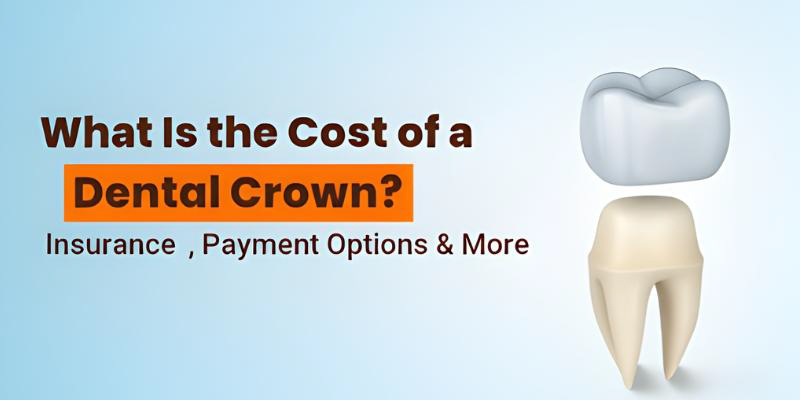
What Is the Cost of a Dental Crown? Insurance, Payment Options & More
A damaged or decayed tooth can affect both your oral health and confidence. Dental crowns offer a reliable, long-term solution to restore strength, function, and appearance. If you’re considering treatment, understanding the cost of a dental crown, insurance coverage, and available payment options can help you make an informed decision.
This guide explains what dental crowns are, how much they cost, what affects pricing, and how patients can manage treatment expenses comfortably.
What Is a Dental Crown?
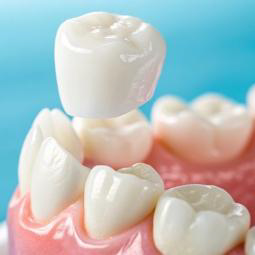
A dental crown is a tooth-shaped cap that covers a damaged, weak, or unattractive tooth. It acts as a protective shield, restoring the tooth’s shape, size, strength, and appearance. Dental crowns are commonly made from various materials, including porcelain, ceramic, metal alloys, and composite resin.
Common Reasons for Getting a Dental Crown:
- A large cavity where a filling wouldn’t suffice
- Protecting a weak or cracked tooth from breaking further
- Covering a dental implant
- After root canal treatment to safeguard the tooth structure
- Cosmetic enhancements to improve the appearance of discolored or misshapen teeth
The Average Cost of a Dental Crown
The cost of a dental crown can vary based on several factors, including material type, procedure complexity, and insurance coverage.
Typical Price Range:
- Porcelain-fused-to-metal crowns: $800 – $1,400 per crown
- All-ceramic or all-porcelain crowns: $1,000 – $1,500 per crown
- Gold alloy crowns: $1,000 – $2,500 per crown
- Zirconia crowns: $1,000 – $1,800 per crown
What Factors Affect the Cost of a Dental Crown?
1. Material Type
The material chosen for the crown greatly affects the price:
- Metal crowns (gold, stainless steel) are durable but less aesthetic.
- Porcelain-fused-to-metal offers a balance of strength and appearance.
- All-ceramic or all-porcelain crowns provide the most natural look but are more expensive.
- Zirconia crowns are extremely strong and highly aesthetic but tend to be among the priciest.
2. Complexity of the Procedure
If additional work is required—such as a root canal, post build-up, or gum surgery – the total cost will increase.
3. Number of Crowns Required
Naturally, the total cost rises if multiple teeth need crowns.
4. Use of Advanced Technology
Same-day crowns created using CAD/CAM technology may cost more but reduce the number of dental visits.
Does Dental Insurance Cover the Cost of a Dental Crown?
Many dental insurance plans provide partial coverage for dental crowns when they are medically necessary.
What’s Typically Covered:
- Medically Necessary Treatment: Insurance often covers crowns needed for damage, decay, or after a root canal.
- Cosmetic Treatment: Cosmetic crowns (purely for appearance) are often not covered by insurance.
Common Insurance Details
- Coverage: Typically 50%–80%
- Annual limits: Often $1,500–$2,000
- Waiting periods: May apply for major procedures
Always review your insurance policy and confirm benefits before treatment.
Payment Options for Dental Crowns
Dental crowns are an investment in your oral health, and most dental practices offer flexible payment options.
Common Payment Options
- Dental insurance benefits
- In-house payment plans
- Third-party financing (CareCredit, Sunbit, LendingClub)
- Direct self-pay options
These options help make dental crown treatment more accessible and affordable.
Pros and Cons of Dental Crowns
Advantages
- Protection: Shields damaged teeth and prevents further decay or cracking.
- Durability: With proper care, a crown can last 10–15 years or longer.
- Appearance: Ceramic and porcelain crowns mimic natural teeth, restoring confidence.
- Functionality: Restores chewing and speaking ability.
Disadvantages
- Cost: Can be expensive without insurance or financing.
- Multiple Visits: Traditional crowns typically require at least two appointments.
- Tooth Preparation: Natural tooth structure must be reduced to fit the crown.
- Temporary Sensitivity: Some patients experience sensitivity after the procedure.
Are Dental Crowns Worth the Investment?
For many patients, dental crowns are well worth the investment. They preserve natural teeth, restore normal function, and help prevent future complications that could require more extensive and costly treatments.
With proper oral hygiene and regular dental check-ups, a dental crown can provide lasting protection and value.
Schedule a Consultation
If you believe you may need a dental crown or want to explore your options, consulting a qualified dental professional is essential. At our Family Dentistry Houston office, we provide thorough consultations and transparent pricing, helping patients find the most cost-effective and clinically appropriate solutions.
Frequently Asked Questions
Is getting a dental crown painful?
The procedure is typically painless because local anesthesia is used. Some mild sensitivity may occur afterward, but it usually subsides within a few days.
How much does a dental crown usually cost?
The cost of a dental crown typically ranges from $800 to $2,500, depending on the material used, the complexity of the procedure, and whether additional treatments are required.
Does dental insurance cover dental crowns?
Many dental insurance plans cover 50% to 80% of the cost if the crown is medically necessary. Cosmetic crowns are usually not covered.
How many visits are needed for a dental crown?
Traditional crowns usually require two visits, while same-day crowns created with CAD/CAM technology can sometimes be completed in a single appointment.
What happens if I delay getting a dental crown?
Delaying treatment can lead to further tooth damage, increased pain, infection, or the need for more extensive and costly procedures later.
The cost of a dental crown depends on the material used, treatment complexity, and insurance coverage. With multiple payment solutions available, restoring your smile is achievable without unnecessary financial stress. A well-placed dental crown protects your tooth, enhances appearance, and supports long-term oral health.