
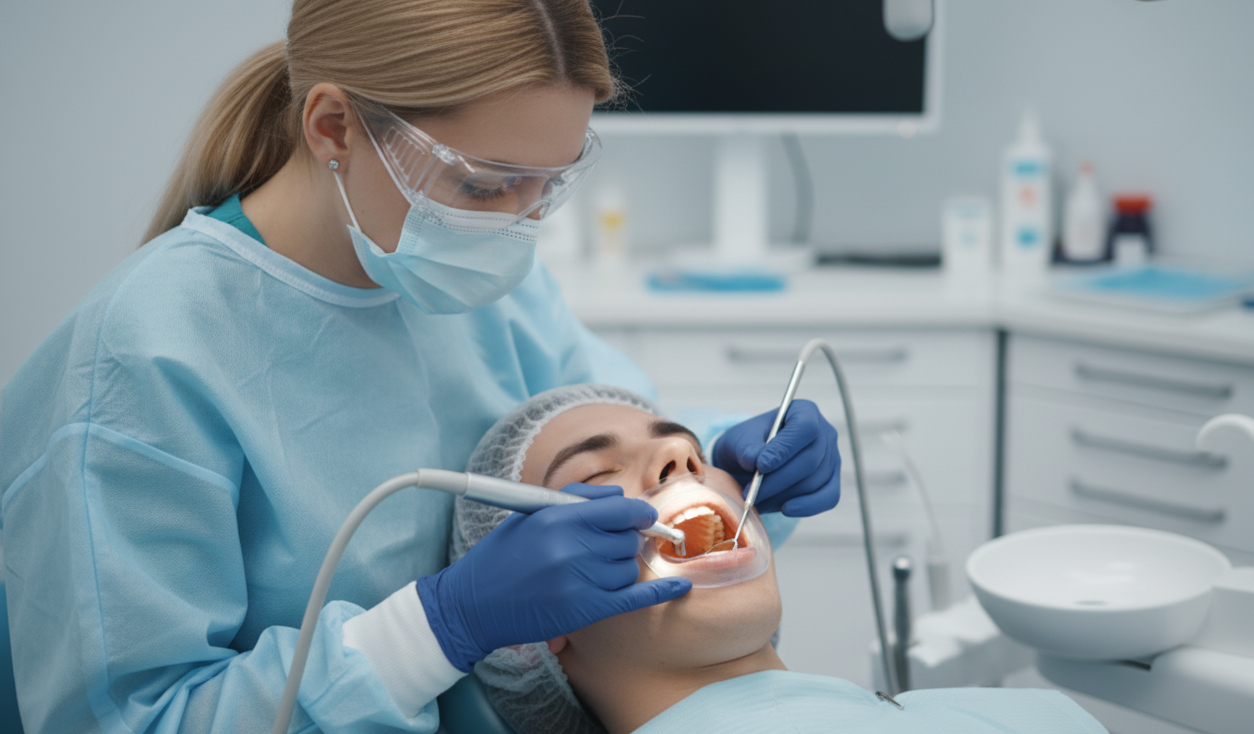
Top 5 Common Restorative Dentistry Treatments You Should Know About
Modern dentistry is about far more than just checkups and cleanings. While preventive care helps maintain oral health, many people will still experience dental issues such as cavities, tooth loss, or damaged enamel at some point in their lives. This is where restorative dentistry comes in.
Restorative dentistry focuses on diagnosing, preventing, and treating oral diseases to restore the function and appearance of your teeth. Whether it’s a minor filling or a full-mouth reconstruction, restorative procedures help patients regain confidence, chew comfortably, and smile without hesitation.
What Is Restorative Dentistry?
Restorative dentistry is a branch of dentistry that focuses on repairing or replacing damaged or missing teeth. Its primary goals are to:
- Restore normal chewing and speaking functions
- Maintain or improve facial structure
- Enhance the appearance of the smile
- Prevent further oral health issues
Dentists who specialize in restorative dentistry often combine aesthetic, functional, and preventive approaches to give patients long-lasting results. These treatments can range from simple fillings to more complex solutions like dental implants or full crowns.

Why Restorative Dentistry Matters
Oral health directly affects overall health. Untreated dental problems can lead to infections, gum disease, and even systemic conditions like heart disease or diabetes. Restorative dentistry:
- Prevents complications: Addressing small issues early prevents major interventions later.
- Improves self-esteem: Repaired teeth enhance your appearance and confidence.
- Maintains oral function: Chewing, speaking, and smiling become easier and more comfortable.
- Preserves natural teeth: Many procedures aim to save existing teeth whenever possible.
Top 5 Common Restorative Dentistry Treatments
Let’s dive into the five most widely performed restorative treatments, how they work, and why they’re beneficial.
1. Dental Fillings
What They Are
Dental fillings are one of the most common restorative procedures. They’re used to repair small to moderate cavities caused by tooth decay. When a dentist removes decayed material from a tooth, the cavity left behind is filled with a restorative material to prevent further damage.
Common Filling Materials
- Composite Resin (Tooth-Colored): Matches the natural tooth color and is ideal for visible areas.
- Amalgam (Silver): Strong and durable, often used for back teeth.
- Gold Fillings: Long-lasting but more expensive.
- Ceramic Fillings: Aesthetic and resistant to staining.
Benefits of Fillings
- Stops decay from spreading further
- Restores tooth strength and functionality
- Maintains natural appearance (especially with composite fillings)
- Prevents the need for more extensive treatments later
What to Expect During Treatment
The dentist numbs the area, removes the decayed portion of the tooth, and places the filling material. The process is usually quick and relatively painless.
2. Dental Crowns
What They Are
Dental crowns – sometimes called “caps” – are protective coverings that encase a damaged or weakened tooth. They’re used when a filling alone isn’t enough to restore tooth structure or strength.
Crowns are commonly used to:
- Protect cracked or fractured teeth
- Cover large fillings
- Restore a tooth after a root canal
- Improve the appearance of misshapen or discolored teeth
Common Crown Materials
- Porcelain or Ceramic Crowns: Natural-looking and ideal for front teeth.
- Porcelain-Fused-to-Metal Crowns: Strong with a natural appearance.
- Gold or Metal Crowns: Extremely durable and great for molars.
Benefits of Crowns
- Protects the remaining tooth structure
- Restores full functionality for chewing and biting
- Enhances the tooth’s appearance
- Lasts for years with proper care
What to Expect During Treatment
Crown placement typically takes two appointments:
- Preparation: The dentist reshapes the tooth, takes impressions, and places a temporary crown.
- Placement: The permanent crown is fitted and cemented during the second visit.
3. Dental Bridges
What They Are
A dental bridge is a restorative option for replacing one or more missing teeth. It literally “bridges” the gap created by tooth loss. A typical bridge consists of:
- Pontics (Artificial Teeth): Fill the empty space.
- Abutment Teeth: Natural teeth on either side of the gap that support the bridge.
Types of Bridges
- Traditional Bridge: Anchored to crowns on adjacent teeth.
- Cantilever Bridge: Attached to only one adjacent tooth.
- Maryland Bridge: Uses a metal or porcelain framework bonded to the backs of adjacent teeth.
Benefits of Bridges
- Restores your smile and confidence
- Maintains facial shape by preventing bone loss
- Distributes bite forces properly
- Prevents remaining teeth from shifting out of position
What to Expect During Treatment
The dentist prepares the abutment teeth, takes impressions, and places a temporary bridge. The permanent bridge is custom-made and cemented at the next appointment.
4. Dental Implants
What They Are
Dental implants are considered the gold standard for replacing missing teeth. They consist of a titanium post surgically placed in the jawbone, which acts as an artificial tooth root. Once integrated, a crown, bridge, or denture can be attached to the implant.
Benefits of Dental Implants
- Closest restoration to a natural tooth in appearance and function
- Stimulates and preserves jawbone health
- Long-lasting solution (often decades with proper care)
- No alteration of adjacent teeth required (unlike bridges)
What to Expect During Treatment
Implants require multiple stages:
- Surgical Placement: The implant is placed into the jawbone.
- Healing Period: Bone integrates with the implant over a few months (osseointegration).
- Abutment & Crown Placement: A custom crown is attached to the implant.
Though it’s a longer process, the stability and longevity of implants make them a popular choice.
5. Dentures (Full and Partial)
What They Are
Dentures are removable appliances used to replace multiple missing teeth. They’re custom-made to fit your mouth and restore both appearance and function.
Types of Dentures
- Full Dentures: Replace an entire arch (upper or lower teeth).
- Partial Dentures: Replace several missing teeth and attach to the remaining natural teeth.
- Implant-Supported Dentures: Offer extra stability by attaching to dental implants.
Benefits of Dentures
- Improve chewing and speaking ability
- Support facial muscles and maintain facial structure
- Affordable compared to other full-mouth restorative options
- Can be updated or relined as needed
What to Expect During Treatment
Dentures typically require several appointments: impressions, fittings, adjustments, and delivery. Modern dentures are lighter, more natural-looking, and more comfortable than ever before.
Other Restorative Treatments Worth Mentioning
While the five treatments above are the most common, there are other restorative options you might encounter:
- Inlays and Onlays: For moderate decay where a filling isn’t sufficient but a crown isn’t needed.
- Root Canal Therapy: Removes infected pulp tissue to save a natural tooth.
- Bonding: Repairs chipped or cracked teeth with tooth-colored resin.
How to Choose the Right Restorative Treatment
Every patient’s needs are unique. Factors like budget, oral health status, and personal preferences all play a role. Here’s how to approach the decision:
- Consult a Qualified Dentist: They’ll perform a thorough examination, possibly including X-rays.
- Understand the Options: Ask about the pros, cons, and costs of each treatment.
- Consider Longevity: Some treatments last longer than others but may cost more upfront.
- Think About Aesthetics: Choose materials and colors that blend with your natural teeth.
The Connection Between Restorative and Cosmetic Dentistry
Many restorative treatments also have cosmetic benefits. For example, crowns and implants improve your smile’s appearance as much as its function. Today’s advanced materials and techniques mean you rarely have to compromise on aesthetics to achieve durability and performance.
Frequently Asked Questions
What are the most common restorative dentistry treatments?
The most common treatments include dental fillings, crowns, bridges, dental implants, and dentures. Each option addresses different levels of tooth damage or loss.
How do I know which restorative treatment is right for me?
The right treatment depends on factors such as the extent of tooth damage, oral health condition, budget, and long-term goals. A dental examination and X-rays help determine the best option.
Are restorative dentistry treatments cosmetic or medical?
Many restorative treatments serve both medical and cosmetic purposes. They restore function while also improving the appearance of your smile.
Can restorative dentistry help prevent future dental problems?
Yes. Restoring damaged or missing teeth helps prevent further decay, gum disease, bite problems, and shifting of surrounding teeth.
Are restorative treatments suitable for older adults?
Absolutely. Restorative dentistry is effective at any age and helps seniors maintain function, comfort, and quality of life.
Is restorative dentistry covered by dental insurance?
Many restorative procedures are partially covered by dental insurance when medically necessary, though coverage varies by plan.
Restorative dentistry is about more than fixing teeth—it’s about restoring your health, confidence, and quality of life. The top five common restorative treatments – dental fillings, crowns, bridges, implants, and dentures cover a wide range of needs, from repairing a single tooth to replacing multiple teeth.
If you’re looking for expert care, restorative dentistry in Houston TX 77054 provides advanced solutions tailored to your needs. By understanding your options and working with the best dentist, you can choose the right treatment to maintain your oral health for years to come. Whether you’re dealing with a cavity, missing teeth, or just want to improve your smile’s function and appearance, restorative dentistry offers a solution that fits your needs.