
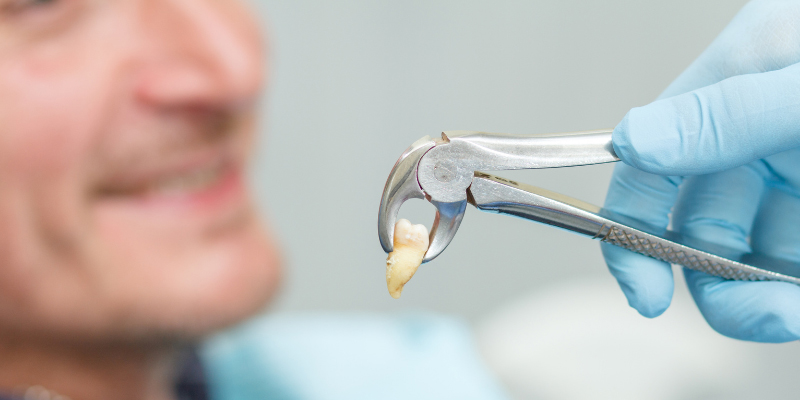
Tooth Extractions: When They’re Necessary and What to Expect
Hearing that you may need a tooth extraction can feel worrying. Many people picture pain or complicated surgery, but in reality, tooth removal is a very common and straightforward dental procedure. Thanks to modern techniques and anaesthesia, extractions are now safer, quicker, and far more comfortable than ever before.
This guide explains when a tooth extraction might be necessary, what the procedure involves, and how to care for yourself afterward for a smooth recovery.
Why Are Tooth Extractions Sometimes Necessary?
Dentists generally work hard to save natural teeth whenever possible, using treatments such as dental fillings, crowns, or root canals. However, there are situations where removing a tooth is the best choice for your health.
1. Severe Tooth Decay
If decay has damaged a tooth so badly that it cannot support a filling or crown, extraction may be needed to stop the spread of infection.
2. Advanced Gum Disease
Periodontal disease can weaken the bone and tissues holding a tooth in place. If the tooth becomes loose, removing it might be the only option.
3. Impacted Wisdom Teeth
Wisdom teeth often cause problems when they grow in at the wrong angle, press against neighbouring teeth, or remain stuck under the gum. Extracting them helps prevent pain, swelling, and infection.
4. Overcrowding Before Orthodontics
In some cases, removing teeth creates the necessary space for braces or Invisalign to straighten the smile.
5. Broken or Fractured Teeth
When a tooth breaks below the gum line or is damaged beyond repair, it cannot be restored and must be removed.
6. Infections or Abscesses
Sometimes a tooth becomes infected deep inside. If root canal treatment is not possible, an extraction stops the infection from spreading.
7. Preparation for Restorations
Teeth may be extracted to prepare for dentures, dental bridges, or implants as part of a full-mouth treatment plan.
Types of Tooth Extractions
Not all extractions are the same. The method depends on the condition and position of the tooth.
Simple Extractions
- Used when the tooth is visible above the gum.
- The dentist loosens it with a tool called an elevator, then removes it with forceps.
- Performed under local anaesthesia.


Surgical Extractions
- Necessary for impacted teeth or teeth broken below the gum line.
- A small incision may be made in the gum, and sometimes bone is removed around the tooth.
- Common for wisdom teeth.
- Done under local anaesthesia, sometimes with sedation.
What to Expect Before a Tooth Extraction
Consultation and Examination
The process begins with an examination and X-rays to determine the best approach. The dentist will explain why extraction is needed and discuss alternatives if available.
Medical History Review
It’s important to share:
- Medications you’re taking (especially blood thinners)
- Any chronic illnesses (such as diabetes or heart disease)
- Allergies or previous reactions to anaesthesia
Anaesthesia Options:
- Local anaesthesia to numb the area.
- Sedation dentistry to help you relax.
- General anaesthesia (rare) for complex cases.
Step-by-Step Procedure
Here’s what usually happens during a tooth extraction:
- Numbing – Local anaesthetic ensures you don’t feel pain.
- Loosening the Tooth – The dentist uses instruments to gently rock the tooth free.
- Extraction – The tooth is removed either with forceps (simple extraction) or via a small surgical procedure.
- Cleaning the Socket – The site is cleaned to remove infection or debris.
- Stitches (if needed) – Dissolvable stitches may be placed.
- Gauze Placement – A gauze pad is used to control bleeding and help clot formation.
Most extractions take less than an hour.
Recovery and Aftercare
Immediately After Extraction
- Bite down gently on gauze for 30–45 minutes to stop bleeding.
- Apply an ice pack to the outside of the face to reduce swelling.
- Take pain relief as advised by a dentist.
First 24 Hours
- Avoid rinsing, spitting, or drinking through a straw.
- Stick to soft foods like soup, yoghurt, or mashed potatoes.
- Rest and avoid strenuous activity.
Following Days
- Rinse gently with warm salt water to keep the area clean.
- Brush carefully, avoiding the extraction site.
- Slowly reintroduce solid foods.
Possible Risks and Complications
Tooth extractions are safe, but complications can occur:
- Dry Socket: The protective blood clot fails to form or becomes dislodged, causing severe pain.
- Infection: Signs include fever, swelling, or pus near the site.
- Bleeding: Usually minor, but persistent bleeding requires attention.
- Nerve Injury: Rare, but may cause temporary numbness in the lip, tongue, or chin.
Prompt follow-up care ensures a smooth recovery.
Tooth Replacement Options After Extraction
Losing a tooth doesn’t have to mean living with a gap. Today, there are excellent replacement choices:
Dental Implants
- Titanium posts placed in the jawbone act like tooth roots.
- Topped with crowns for a natural look.
- Durable, long-term solution.
Dental Bridges
- A prosthetic tooth anchored to surrounding teeth.
- Ideal for one or two missing teeth.
Dentures
- Available as full or partial sets.
- Affordable and effective, though less stable than implants.
Frequently Asked Questions
Will the procedure hurt?
You’ll be numb during the extraction. Some pressure is normal, but not pain. Discomfort afterward can be managed with medication.
How long is recovery?
Most people feel fine after two or three days, with complete healing in one to two weeks.
Can I return to work the next day?
Yes, in most cases. More complex surgical extractions may require extra rest.
How do I prevent dry socket?
Avoid smoking, using straws, or rinsing vigorously during the first few days.
Is replacing the tooth necessary?
Yes, in most cases. Replacing a missing tooth prevents shifting, bite problems, and bone loss.
Tooth extractions may sound intimidating, but they are often the best way to protect oral health and prevent further complications. With modern anaesthesia, advanced techniques, and proper aftercare, the procedure is safe, efficient, and far more comfortable than many people expect.
If you have persistent tooth pain, swelling, or other dental issues, don’t ignore them. An extraction might be the solution that restores your comfort and helps you move forward with a healthier, stronger smile.