
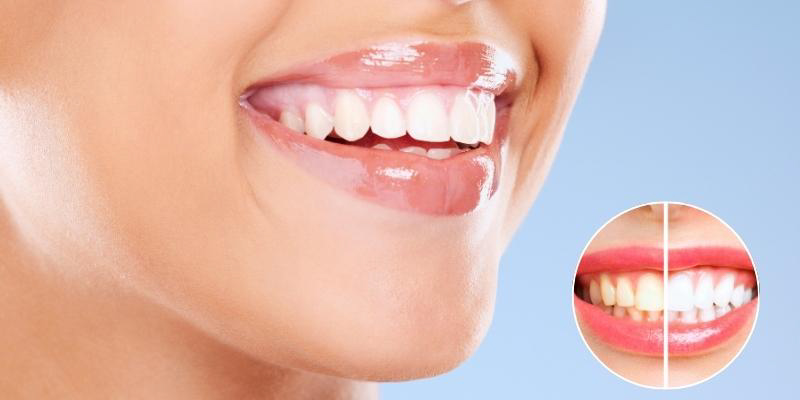
Teeth Whitening: What You Should Know Before Your Treatment
A bright, confident smile is one of the most desired cosmetic features, and teeth whitening has become one of the most popular ways to achieve it. Whether you have a special event, want to boost self-confidence, or simply want your teeth to look their best, understanding teeth whitening is essential before undergoing treatment. This comprehensive guide will explore everything you should know before your teeth whitening journey, from different types of treatments and potential side effects to preparation, maintenance, and expectations.
1. Understanding Teeth Discoloration
Teeth can become discolored for a variety of reasons, and knowing the cause can help you choose the right whitening method. Discoloration is typically categorized into two types:
- Extrinsic stains: These occur on the outer layer of your teeth (enamel) and are caused by consuming coffee, tea, red wine, tobacco, or certain foods. Extrinsic stains are usually easier to treat with whitening products.
- Intrinsic stains: These develop inside the tooth, affecting the dentin beneath the enamel. Causes include aging, trauma, certain medications (like tetracycline), excessive fluoride, or genetic factors. Intrinsic stains are often more resistant to standard teeth whitening treatments and may require professional intervention.
Understanding the type of discoloration is the first step to setting realistic expectations for your teeth whitening results.
2. Professional vs. At-Home Teeth Whitening
There are numerous teeth whitening options, which can be broadly categorized into professional and at-home treatments.
Professional Whitening
- Conducted by a board-certified dentist.
- Uses stronger bleaching agents (usually hydrogen peroxide or carbamide peroxide).
- Faster results, often within a single session.
- Safer under supervision, reducing risks of sensitivity and uneven whitening.
- May include laser or light-assisted techniques for enhanced effects.
At-Home Whitening
- Available over-the-counter (strips, gels, toothpaste) or via dentist-provided kits.
- Gentler bleaching agents, resulting in slower but gradual results.
- Cost-effective and convenient but may cause uneven results if not applied correctly.
- Less control over potential side effects like sensitivity or gum irritation.
Choosing the right method depends on your goals, budget, time frame, and dental health. Consulting with a dentist before beginning any whitening treatment is strongly recommended.
3. Evaluating Your Dental Health Before Whitening
Not everyone is an ideal candidate for teeth whitening. A dentist will evaluate your oral health before recommending treatment. Important considerations include:
- Existing dental work: Fillings, crowns, veneers, or bonding materials do not whiten. Your natural teeth may become brighter than restorations, leading to uneven color.
- Tooth sensitivity: Whitening can temporarily increase sensitivity, especially if you already experience discomfort.
- Gum health: Gum disease, gingivitis, or other periodontal issues should be treated before whitening to avoid irritation or complications.
- Enamel thickness: Teeth with thin enamel may be more prone to sensitivity and may require gentler whitening methods.
A thorough dental examination ensures the safest and most effective whitening outcome.
4. Preparing for Your Whitening Treatment
Proper preparation can enhance results and minimize potential side effects.
- Dental Cleaning: A professional cleaning removes plaque and tartar, ensuring the whitening agent works effectively.
- Address Dental Issues: Treat cavities, gum disease, or other oral health problems first.
- Avoid Certain Foods and Drinks: Limit coffee, tea, red wine, and tobacco before treatment to maximize results.
- Hydration and Oral Care: Brush and floss regularly, and maintain hydration to reduce sensitivity during whitening.
Preparation ensures the process is safe, effective, and yields long-lasting results.
5. Setting Realistic Expectations
While teeth whitening can dramatically improve your smile, it is important to have realistic expectations.
- Results vary: Natural tooth color, type of stains, and treatment method influence outcomes.
- Not Permanent: Whitening results typically last from a few months to up to three years. Lifestyle choices and oral hygiene practices affect longevity.
- Limitations: Whitening cannot change the color of crowns, veneers, or fillings, and extremely dark intrinsic stains may require alternative cosmetic procedures.
Understanding these limitations helps prevent disappointment and ensures satisfaction with your treatment.
6. Aftercare and Maintenance
Maintaining your bright smile requires proper care after treatment.
- Avoid Staining Foods and Drinks: Limit coffee, tea, red wine, berries, and sauces that can re-stain teeth.
- Good Oral Hygiene: Brush at least twice a day, floss daily, and consider using a whitening toothpaste periodically.
- Touch-Up Treatments: Some people may benefit from at-home whitening trays or periodic professional touch-ups to maintain brightness.
- Regular Dental Visits: Routine check-ups help monitor oral health and address any discoloration early.
Following these steps can prolong whitening results and keep your smile radiant.
7. Cost Considerations
Teeth whitening costs vary depending on the method and provider.
- In-Office Whitening: $300–$1,000 depending on technology and treatment duration.
- At-Home Kits (Dentist Provided): $100–$400, often with customized trays.
- Over-the-Counter Products: $20–$100, slower and less predictable results.
Investing in professional teeth whitening often results in safer, faster, and longer-lasting outcomes.
8. Choosing a Qualified Dentist
A licensed dentist ensures safe application of bleaching agents and proper management of sensitivity or other complications. Look for:
- Board-certified professionals.
- Experience in cosmetic dentistry.
- Positive patient reviews and before/after photos.
- Transparent pricing and clear instructions for at-home care.
A qualified cosmetic dentist maximizes your results and reduces potential risks.
Frequently Asked Questions
Can crowns, veneers, or fillings be whitened?
No. Teeth whitening only affects natural tooth enamel. Crowns, veneers, and fillings do not change color and may need replacement for a uniform smile.
What is the difference between professional and at-home teeth whitening?
Professional whitening offers faster, more even results using stronger bleaching agents under dentist supervision, while at-home treatments work gradually and may be less predictable.
How should I prepare for a teeth whitening treatment?
A dental cleaning and exam are recommended before whitening. Addressing cavities or gum issues first ensures safer and more effective results.
How often can I whiten my teeth?
Most dentists recommend professional whitening no more than once a year. Touch-up treatments may be done periodically if advised by your dentist.
How long do teeth whitening results last?
Results can last from a few months up to three years, depending on oral hygiene, diet, and lifestyle habits such as coffee or tobacco use.
Teeth whitening is a highly effective cosmetic treatment for achieving a brighter, more confident smile. By understanding the causes of discoloration, choosing the right method, preparing your teeth, and following proper aftercare, you can maximize results and maintain a healthy smile.
Consulting with a cosmetic dentist in Houston, TX 77054, before any teeth whitening treatment ensures safety, effectiveness, and personalized care. With proper guidance and care, your teeth whitening journey can transform your smile, boost your confidence, and enhance your overall appearance.