
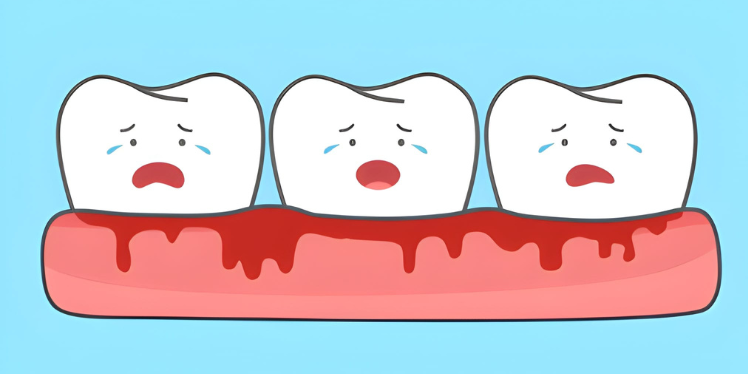
Emergency Dental Care for Bleeding Gums and Oral Injuries
Dental emergencies can happen unexpectedly and often require immediate attention. Bleeding gums, traumatic oral injuries, or sudden dental pain can be alarming and, if left untreated, may lead to serious complications. Knowing when and how to seek emergency dental care is essential for protecting your oral health and overall well-being, and trusted dental providers like Infinite Smile Family Dentistry play a crucial role in delivering prompt and reliable treatment during such situations.
This comprehensive guide explains what constitutes a dental emergency, common causes of bleeding gums and oral injuries, immediate steps you should take, and how professional emergency dental care can prevent long-term damage. By understanding these critical aspects, patients can act quickly, minimise discomfort, and receive the appropriate care needed to safeguard their smile and overall oral health.
What Is Considered a Dental Emergency?
A dental emergency is any oral health issue that requires prompt treatment to relieve pain, stop bleeding, prevent infection, or save a tooth. Unlike routine dental concerns, emergencies often involve sudden symptoms and require immediate professional care.
Common Dental Emergencies Include:
- Uncontrolled bleeding from the gums or mouth
- Knocked-out or fractured teeth
- Severe oral pain or swelling
- Soft tissue injuries to the lips, tongue, or cheeks
- Signs of oral infection, such as abscesses
Recognizing these symptoms early can make a significant difference in treatment outcomes.
Understanding Bleeding Gums: Causes and Risks
Bleeding gums are one of the most common oral health issues and can range from mild to severe. While occasional bleeding may result from brushing too hard, persistent or heavy bleeding should never be ignored.
Common Causes of Bleeding Gums
Gum Disease
Gingivitis and periodontitis are leading causes of bleeding gums. Plaque buildup irritates the gums, causing inflammation, tenderness, and bleeding.
Oral Trauma
Injuries caused by accidents, sports, or falls can damage gum tissue, leading to sudden bleeding.
Dental Infections
Abscesses or advanced decay can cause gum bleeding accompanied by swelling and pain.
Medical Conditions and Medications
Certain health conditions and blood-thinning medications can increase the likelihood of gum bleeding.
When Bleeding Gums Require Emergency Care
Not all gum bleeding is an emergency, but certain situations require immediate attention.
Seek Emergency Dental Care If:
- Bleeding does not stop after 10-15 minutes
- Gums bleed heavily following an injury
- Bleeding is accompanied by severe pain or swelling
- There are signs of infection, such as pus or fever
Ignoring severe gum bleeding can increase the risk of infection and permanent damage to surrounding tissues.
Oral Injuries That Require Emergency Dental Attention
Oral injuries can affect teeth, gums, lips, tongue, and jawbone. Prompt care is crucial to prevent complications.
Common Types of Oral Injuries
Knocked-Out Teeth
A knocked-out tooth requires immediate dental care. Acting quickly may allow the tooth to be saved.
Cracked or Broken Teeth
Chips, fractures, or broken teeth can expose nerves and increase infection risk.
Soft Tissue Injuries
Cuts or tears to the lips, cheeks, or tongue may cause excessive bleeding and pain.
Jaw Injuries
Jaw fractures or dislocations often accompany facial trauma and require urgent treatment.
Immediate First Aid for Bleeding Gums and Oral Injuries
Knowing how to respond before reaching a dental professional can help minimize damage.
Steps to Control Bleeding
- Rinse the mouth gently with warm water
- Apply firm pressure using clean gauze
- Avoid rinsing vigorously or spitting excessively
- Use a cold compress on the outside of the mouth
For Knocked-Out Teeth
- Handle the tooth by the crown, not the root
- Rinse gently if dirty (do not scrub)
- Place it back in the socket if possible, or keep it in milk
These steps can help preserve oral tissues until professional care is available.
Why Emergency Dental Care Is Crucial
Delaying emergency dental treatment can lead to serious complications.
Risks of Delayed Treatment
- Worsening infection
- Permanent tooth loss
- Increased pain and swelling
- Damage to surrounding teeth and bone
- Higher treatment costs
Prompt emergency dental care improves outcomes and helps preserve natural teeth whenever possible.
How Dentists Treat Bleeding Gums in Emergencies
Emergency dental treatment focuses on identifying and addressing the underlying cause.
Common Treatments Include:
- Deep cleaning to remove plaque and bacteria
- Antibiotic therapy for infections
- Treatment of abscesses
- Suturing of gum tissue if needed
Once bleeding is controlled, a long-term treatment plan may be recommended.
Emergency Treatment for Oral Injuries
Treatment depends on the type and severity of the injury.
Dental and Soft Tissue Care
- Reattachment or stabilization of teeth
- Dental bonding or crowns for broken teeth
- Stitches for soft tissue lacerations
- Pain management and infection control
Advanced imaging may be used to assess hidden damage.
Preventing Dental Emergencies
While not all emergencies can be avoided, preventive care significantly reduces risk.
Tips to Prevent Bleeding Gums and Injuries
- Maintain good oral hygiene
- Visit your dentist regularly
- Wear mouthguards during sports
- Avoid chewing hard objects
- Address gum disease early
Preventive dentistry plays a key role in long-term oral health.
The Link Between Gum Health and Overall Health
Bleeding gums are often a sign of deeper health concerns. Gum disease has been linked to conditions such as heart disease, diabetes, and respiratory issues.
Maintaining healthy gums supports not only oral health but overall wellness, making timely dental care even more important.
What to Expect During an Emergency Dental Visit
An emergency dental visit typically includes:
- A thorough examination
- Digital X-rays or imaging
- Immediate pain relief and bleeding control
- Short-term and long-term treatment planning
The goal is to stabilize the condition and prevent further complications.
Who Should Seek Emergency Dental Care?
Emergency dental services are suitable for:
- Adults and children experiencing oral trauma
- Patients with sudden gum bleeding or swelling
- Individuals with dental pain affecting daily activities
Emergency dentists are trained to handle urgent dental needs quickly and efficiently.
Choosing the Right Emergency Dental Provider
Selecting a qualified emergency dentist ensures timely and effective care. Look for:
- Availability for same-day or urgent appointments
- Experience in emergency and trauma care
- Modern diagnostic technology
- Compassionate, patient-focused treatment
Frequently Asked Questions
What is considered a dental emergency?
A dental emergency includes any situation involving severe pain, uncontrolled bleeding, oral trauma, broken or knocked-out teeth, or swelling that may indicate infection. These conditions require immediate attention to prevent further complications.
Are bleeding gums always a dental emergency?
Not always. Mild bleeding due to brushing or gum disease may not be an emergency. However, heavy, persistent, or sudden bleeding, especially after injury, should be treated as a dental emergency.
What should I do if my gums are bleeding heavily?
Rinse gently with clean water, apply pressure using a clean gauze or cloth, and avoid touching the area. Seek emergency dental care immediately if bleeding does not stop within 10–15 minutes.
Can oral injuries heal on their own without treatment?
Minor soft-tissue injuries may heal naturally, but deep cuts, cracked teeth, or jaw injuries require professional dental care to prevent infection, improper healing, or long-term damage.
When should I see an emergency dentist for oral trauma?
You should see an emergency dentist immediately if you experience knocked-out teeth, fractured teeth, severe pain, swelling, uncontrolled bleeding, or injuries from accidents or sports.
Bleeding gums and oral injuries should never be taken lightly. Acting quickly can prevent serious complications, relieve pain, and preserve your oral health. Whether the issue stems from trauma, infection, or advanced gum disease, professional care is essential. Seeking help from an emergency dentist in Houston, TX 77054 ensures you receive prompt, expert treatment tailored to your needs and helps protect your smile for the long term.