
Dental Bridges for Multiple Missing Teeth: Treatment Options Explained
Missing multiple teeth can significantly impact more than just your appearance. It can affect how you chew, speak, and even how confident you feel in social or professional situations. Fortunately, modern dentistry offers reliable and effective solutions to restore both function and aesthetics. One of the most trusted restorative treatments for replacing several missing teeth is a dental bridge, and patients can explore personalized care options at Infinite Smiles Family Dentistry.
In this comprehensive guide, we’ll explain what dental bridges are, how they work for multiple missing teeth, the different treatment options available, and what you can expect from the process. Understanding your options can help you make an informed decision about restoring your smile and oral health.
Understanding the Impact of Multiple Missing Teeth
When more than one tooth is missing, the effects can extend beyond the visible gap in your smile.
Oral Health Consequences
- Difficulty chewing certain foods
- Increased strain on remaining teeth
- Shifting or tilting of nearby teeth
- Changes in bite alignment
- Increased risk of gum disease and decay
Facial and Functional Changes
Missing teeth can lead to jawbone deterioration over time, causing facial sagging and premature aging. Speech clarity may also be affected, especially if front or multiple adjacent teeth are missing.
Replacing missing teeth promptly is essential not only for aesthetics but also for maintaining long-term oral health and facial structure.
What Are Dental Bridges?
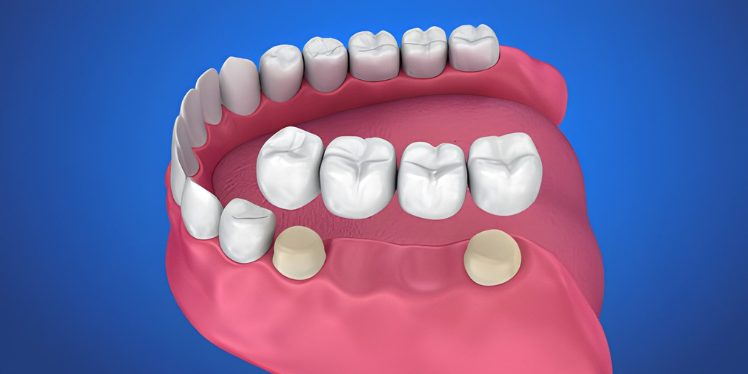
Dental bridges are fixed restorative dental appliances designed to replace one or more missing teeth by literally “bridging” the gap between healthy teeth or dental implants. A bridge consists of artificial teeth, known as pontics, which are anchored in place by crowns or implants on either side of the gap.
Dental bridges are custom-made to match the shape, size, and color of your natural teeth, ensuring a seamless and natural appearance.
How Dental Bridges Help Replace Multiple Missing Teeth
Dental bridges are particularly effective when multiple teeth are missing in a row. Instead of replacing each missing tooth individually, a bridge can restore several teeth using fewer support structures.
Key Advantages
- Restores chewing efficiency
- Improves speech clarity
- Maintains facial shape
- Prevents teeth from shifting
- Enhances smile aesthetics
Because they are fixed in place, dental bridges feel stable and function much like natural teeth.
Types of Dental Bridges for Multiple Missing Teeth
Choosing the right type of dental bridge depends on the number of missing teeth, the condition of adjacent teeth, and overall oral health. Below are the most common treatment options.
Traditional Dental Bridges
Traditional dental bridges are the most commonly used option. They rely on crowns placed over the natural teeth adjacent to the missing teeth to support the pontic teeth in between.
Best suited for:
- Patients with strong, healthy teeth on both sides of the gap
- Multiple adjacent missing teeth
Benefits:
- Strong and durable
- Natural appearance
- Long-lasting with proper care
Cantilever Dental Bridges
Cantilever bridges are similar to traditional bridges but are supported by a crown on only one adjacent tooth.
Best suited for:
- Areas with minimal biting pressure
- Situations where only one adjacent tooth is available
Considerations:
While useful in specific cases, cantilever bridges are generally used cautiously due to the increased load on a single supporting tooth.
Maryland Bonded Bridges
Maryland bridges use a metal or porcelain framework bonded to the back of adjacent teeth, rather than full crowns.
Best suited for:
- Front teeth replacement
- Patients seeking a more conservative option
Advantages:
- Minimal alteration of adjacent teeth
- Less invasive than traditional bridges
Limitations:
They may not be ideal for replacing multiple back teeth due to lower strength.
Implant-Supported Dental Bridges
Implant-supported bridges are one of the most advanced and durable solutions for replacing multiple missing teeth. Instead of relying on natural teeth, the bridge is anchored to dental implants placed in the jawbone.
Best suited for:
- Multiple missing teeth
- Patients with sufficient jawbone density
Benefits:
- Superior stability and longevity
- Prevents jawbone loss
- Does not rely on adjacent natural teeth
Implant-supported bridges offer excellent function and aesthetics, making them a popular long-term solution.
Dental Bridge vs Other Tooth Replacement Options
Understanding how dental bridges compare to other treatments can help clarify why they’re often recommended.
Dental Bridges vs Dentures
- Bridges are fixed; dentures are removable
- Bridges feel more natural and stable
- Dentures may shift or require adhesives
Dental Bridges vs Dental Implants
- Bridges often require fewer surgical procedures
- Dental Implants may take longer, but preserve bone better
- Bridges can be a more cost-effective solution in some cases
Each option has its own benefits, and a dental professional can help determine the most suitable choice.
The Dental Bridge Treatment Process
Knowing what to expect can make the treatment journey more comfortable and stress-free.
Initial Consultation and Evaluation
Your dentist will examine your teeth, gums, and jawbone using X-rays or digital imaging to determine the best treatment plan.
Tooth Preparation
For traditional bridges, adjacent teeth are reshaped to accommodate crowns. For implant-supported bridges, implants are placed surgically.
Impressions and Temporary Bridge
Impressions are taken to create a custom bridge. A temporary bridge may be placed to protect prepared teeth while the permanent bridge is fabricated.
Final Placement
Once ready, the permanent bridge is securely placed, adjusted for comfort, and bonded or attached to implants.
How Long Do Dental Bridges Last?
With proper care, dental bridges can last anywhere from 10 to 15 years or longer.
Factors That Affect Longevity
- Oral hygiene habits
- Regular dental checkups
- Diet and lifestyle choices
- Teeth grinding or clenching
Maintaining good oral hygiene significantly extends the life of a dental bridge.
Caring for Dental Bridges
Proper aftercare is crucial to maintain your bridge’s optimal function and natural appearance.
Daily Care Tips
- Brush twice daily with fluoride toothpaste
- Floss daily using floss threaders or water flossers
- Avoid chewing hard objects like ice
Professional Care
Routine dental visits help detect early issues and ensure your bridge remains secure and healthy.
Who Is a Good Candidate for Dental Bridges?
Most adults with missing teeth are potential candidates for dental bridges, provided they have:
- Healthy gums
- Adequate support from adjacent teeth or jawbone
- Good overall oral hygiene
A thorough dental evaluation is necessary to confirm suitability.
Benefits of Dental Bridges for Confidence and Quality of Life
Replacing multiple missing teeth can dramatically improve daily life.
Emotional and Social Benefits
- Improved self-esteem
- Confidence in smiling and speaking
- Enhanced social interactions
Functional Benefits
- Better chewing and digestion
- Clearer speech
- Balanced bite and comfort
Dental bridges restore both function and confidence, helping patients enjoy a better quality of life.
Choosing the Right Dental Professional
Selecting an experienced dental provider is crucial for successful outcomes. Look for:
- Expertise in restorative dentistry
- Advanced dental technology
- Positive patient reviews
- Personalized treatment planning
A skilled dentist ensures your bridge looks natural and functions properly.
Frequently Asked Questions
What are dental bridges used for?
Dental bridges are used to replace one or more missing teeth by filling the gap with artificial teeth that are anchored to natural teeth or dental implants.
Can dental bridges replace multiple missing teeth at once?
Yes, dental bridges are an effective solution for replacing multiple adjacent missing teeth using a single, fixed restoration.
What types of dental bridges are available?
Common types include traditional bridges, cantilever bridges, Maryland bonded bridges, and implant-supported dental bridges.
Are dental bridges a permanent solution?
Dental bridges are long-lasting but not permanent. With proper care, they can last 10–15 years or longer.
Does getting a dental bridge hurt?
The procedure is generally comfortable. Local anesthesia is used, and most patients experience minimal discomfort during and after treatment.
Dental bridges remain a reliable and effective solution for replacing multiple missing teeth. They restore function, improve appearance, and protect long-term oral health. Whether you choose a traditional bridge or an implant-supported option, the right treatment can make a lasting difference in your smile and confidence. If you’re considering Dental Bridges In Houston, TX, consulting a qualified dental professional can help you explore customized options that suit your needs, lifestyle, and long-term oral health goals.